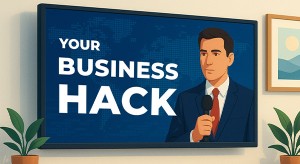
How a single email can turn a small mistake into a public disaster
You've probably seen the headlines: A company gets hacked, customer data is exposed, and suddenly everyone's talking about it.
It always sounds like something that happens to big corporations, but more often than not, it starts with something small, such as one staff member clicking a fake email link.
That's all it takes, one click and one wrong decision, and the next thing you know, your business name is in the news for all the wrong reasons.
It doesn't stay private for long
When a phishing email hits, it doesn't stay an internal issue. Once money or data goes missing, it becomes public, reporters start calling, clients want answers, and staff start asking what went wrong.
We've seen it happen to schools, hospitals, and government departments around the world. They didn't plan to be on the evening news, but one employee trusted the wrong email, and suddenly the breach was public, the funds were gone, and confidence in the organization collapsed.
Phishing isn't just an IT issue, it's a reputation issue, and once your name is attached to a breach, the damage spreads fast.
A school district that lost 1.8 million dollars
In the United States, Broken Bow Public Schools in Nebraska approved a payment request for a construction project. The email looked completely legitimate, with the correct names and project details, but the bank account number was wrong.
By the time they realized the payment had gone to a criminal account, $1.8 million dollars was gone. Within days, local media were reporting the story, parents were furious, and the community wanted answers.
It was an honest mistake, a single email that looked real enough to trust, but it turned into a public scandal that cost them both money and credibility.
Hospitals aren't immune either
Healthcare is another favorite target. In Tennessee, Vanderbilt University Medical Center has warned that phishing remains the most common entry point into hospital networks.
One US healthcare organization learned this the hard way when an employee clicked a fake login link, exposing more than 114,000 patient records and leading to a $3 million dollar settlement.
The financial impact was bad enough, but the real damage came from lost trust as patients who once felt safe started questioning whether their data was still secure.
Different attack, same outcome
Further north, Beaverton Public Schools in Oregon faced a different kind of phishing attack. Instead of fake invoices, staff received emails that appeared to come from trusted vendors and colleagues, intended to steal login details.
Several employees entered their credentials before realizing the emails were fake, giving attackers access to internal systems and sensitive information.
The incident didn't cost millions, but it still made the news. The district had to notify affected staff, reset accounts, and rebuild trust, a reminder that one small lapse can cause a very public mess.
When private mistakes go public
Every business likes to believe that a cyber incident would stay quiet, but it won't.
Regulators require disclosure, clients talk, and screenshots circulate online. What started as a small internal problem quickly becomes a reputation crisis.
Once that happens, it's no longer about fixing systems, it's about rebuilding trust, which can take years.
How to avoid the headlines
There's no magic fix, but a few simple habits go a long way toward keeping your business off the news.
- Train your team regularly. Simulated phishing tests help staff learn to spot red flags before they click.
- Verify payment changes by phone. Always confirm new bank details with a known contact, not the email that requested it.
- Turn on multi-factor authentication. Even if a password is stolen, it can't be used without a second step.
- Have a clear response plan so you know who to call and what to do if someone clicks the wrong thing.
The takeaway
Every one of those organizations thought it couldn't happen to them, but once it did, the story wasn't about hackers; it was about human error.
The truth is, technology can't stop every mistake, but with the right systems, training, and safeguards, you can stop that mistake from becoming a headline.
If you'd like help building that protection into your business, we can make sure one wrong click doesn't put you on the news.
Contact us today at 903 347 0073